

Hi Royal Clubbers,
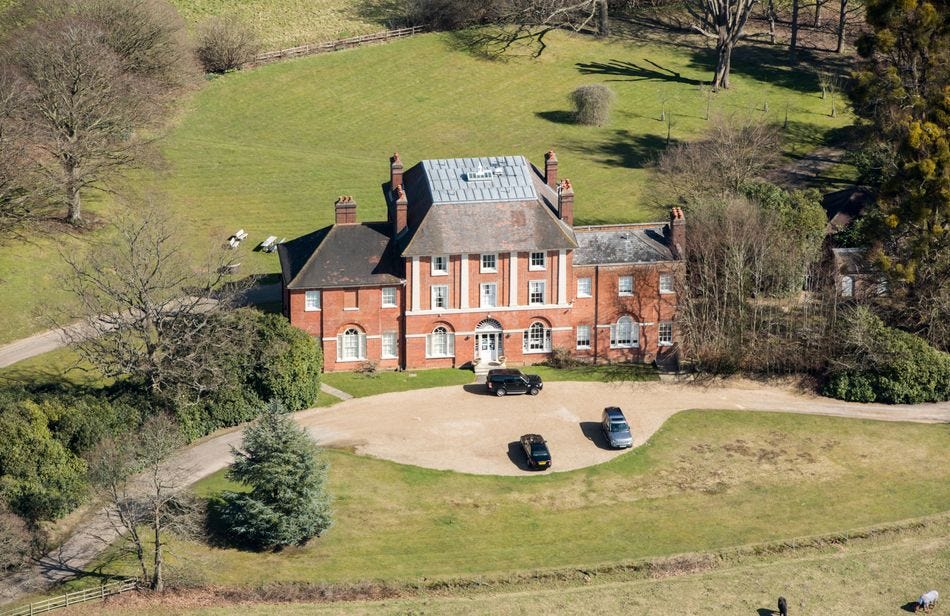
Ainhoa here today with a post about royal rents. I’ll be the first to admit that I’d never heard of the term “peppercorn rent” before the whole Andrew saga, when it was revealed that the King’s disgraced brother had paid £1 million for the 75-year lease of his 30-room home in Windsor, Royal Lodge, back in 2003 (and a further £7.5 million for extensive refurbishments completed in 2005). Andrew has since only paid “one peppercorn (if demanded)”.
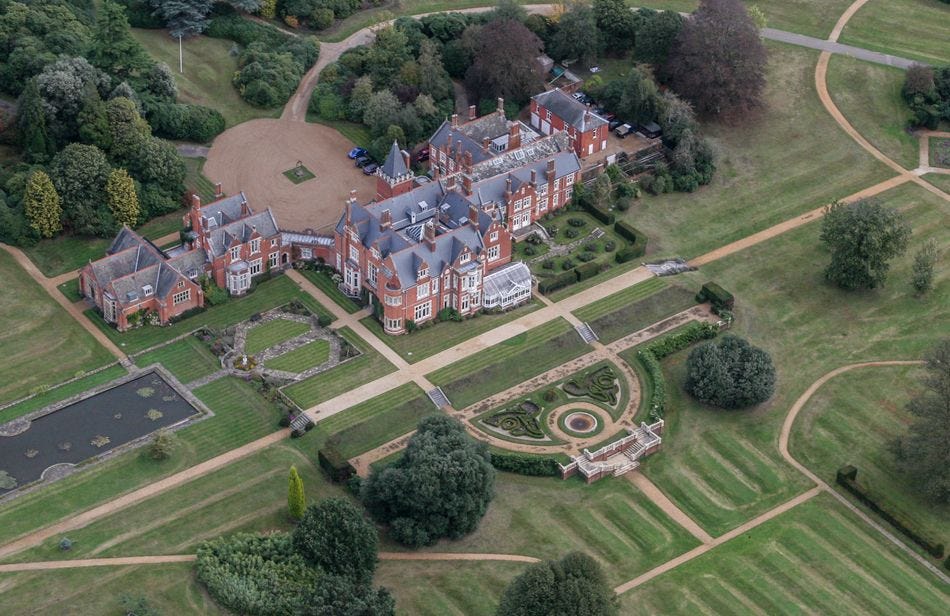
There was further shock – perhaps not as much uproar though – when it then came to light that the Duke of Edinburgh has a similar set-up. In 2007, Prince Edward paid £5 million upfront for his 150-year lease and again, has since only paid a “peppercorn rent” for his 120-room mansion in Surrey, Bagshot Park.
The Prince and Princess of Wales, however, have steered well clear of the “peppercorn rent” option and the potential controversies attributed to it. They pay “market rent” for the new forever home they’ve just moved into, Forest Lodge in Windsor. Of course, we don’t know what the Wales family pays, but if they’re paying monthly for their mansion on prime real estate, it surely works out more than if they’d just opted for a “peppercorn rent”.
The Crown Estate has clarified their agreement, for purposes of transparency: “The lease for the Property was concluded on a 20-year Common Law Tenancy at an open market rent subject to standard Landlord & Tenant repairing obligations. The rent was assessed by Savills and Hamptons acting on behalf of the Crown Estate. Knight Frank acted for TRH’s The Prince and Princess of Wales.”
So why do the royals all have different rent agreements? And where does their rent go to? HELLO!’s Homes Editor, Rachel Avery, spoke to Bryan Johnston, property litigation partner at law firm Dentons, who explained the complex issue of royal rents.
Make sure to leave your own comments below and vote in our poll.
How are royal leases legally different to normal leases?
Royal leases are no different from other leases. There is no legally defined concept of a ‘royal lease’ – it is not a formally recognised category of holding land. The term is, however, used to refer to a lease of land that has a royal connection.
What makes these arrangements interesting is who the landlord often is. Royal residences like Royal Lodge sit on land owned by the Crown Estate, a vast public property portfolio managed entirely independently of the monarch. Its income goes straight to the Treasury, not the King.
The Crown Estate is not restricted to leasing land to members of the Royal Family. It has a vast property portfolio and leases to all sorts of commercial, agricultural and residential tenants. Its assets range from property in London’s Regent’s Street to the UK seabed out to 12 nautical miles.
Legally speaking, the terms of a royal lease are not fundamentally different from the lease of any flat or house across the country. The glamour of the address may change, but the legal principles do not.
What’s the difference between peppercorn rent and market rent?
A peppercorn rent means the tenant has paid a significant upfront sum when agreeing the lease, so the ongoing rent is purely nominal, sometimes literally stated as ‘a peppercorn, if demanded’. The landlord receives its value at the outset.
Technically, payment of the peppercorn is legally enforceable, though I don’t think any tenant – royal or otherwise – has ever lost sleep over this obligation.
A market rent, by contrast, means the tenant pays no large premium at the beginning. Instead, they pay regular rent, just like any ordinary tenant.
Royal leases vary because each one is negotiated individually. For instance, when Andrew Mountbatten-Windsor took on the lease of Royal Lodge, he was required to fund major works to the house. This investment formed part of the value he provided in exchange for the lease.
Why do royal family members lease homes?
There are limited ‘royal properties’ available, such as those on the Windsor estate. The Crown Estate owns this land and therefore if Royal Family members wish to live there, they will have to take a lease of the property from the Crown Estate.
It allows Royal Family members to occupy prime residences in convenient locations, without the Crown Estate parting with the freehold ownership of nationally important land.
Further reading
Sneak peek inside the countryside retreat William stayed in
IMO these 2 properties would be undesirable to general public because of required security, size, maintenance and price. Since “both tenants” paid large upfront costs to live there not to mention the $millions they paid for upkeep and repairs it could be argued that they “own” the properties. Although I believe ultimately because of death or changed circumstances these properties are never “owned” because they eventually revert to the crown.
The anti-monarchy mob seizes on any and all opportunities to discredit monarchy as is seen here.
People should keep in mind that the monarchy—despite its foibles— generates huge revenue for the government through tourism and sales of goods associated with royalty—ie clothing, products etc not to mention it creates so many jobs. It gives a high profile to many charities which benefit millions of people.
Literally billions of people around the world admire the royal family and its history.
It would be absolutely catastrophic for the UK to eliminate the monarchy.
It is your history and sets you apart from any other country in the world. Remember often you don’t miss something until it’s gone!
The monarchy MORE than pays for itself.
Peppercorn payment began in the Middle Ages to protect women’s inheritance. Legally they could rarely own property but trusteeship could be setup run by their relatives for peppercorns.